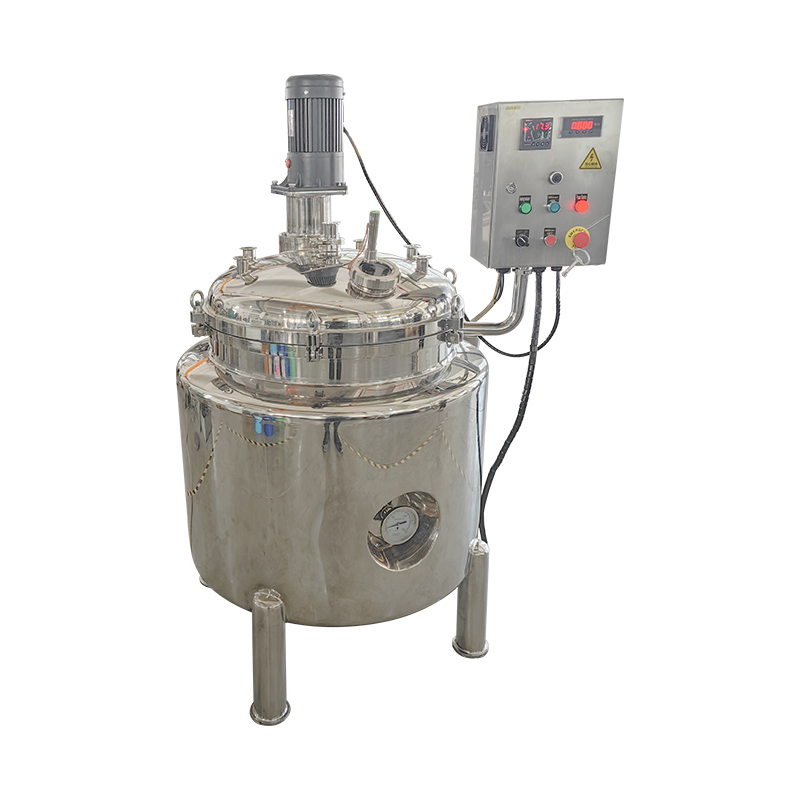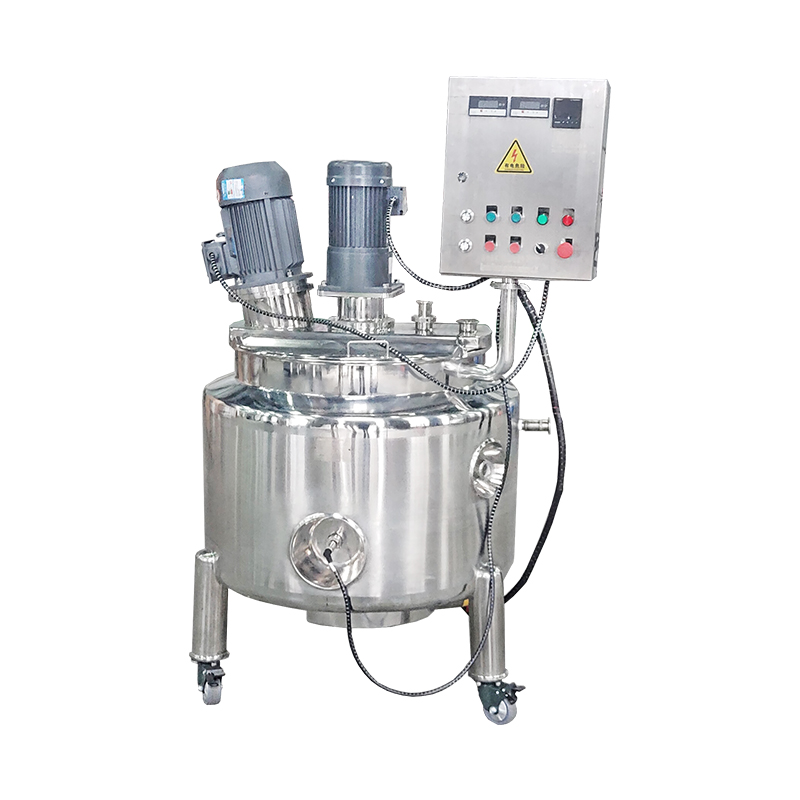
Clean-in-Place (CIP) procedures in cosmetics manufacturing are performed between batches, primarily to remove residues of oils, surfactants, polymers, and pigments. Vacuum emulsification units and agitation systems must be CIP-compatible and support fully automated cleaning. CIP spray balls should provide coverage for all internal surfaces of the vessel, including the top head, sidewalls, and bottom. The flow velocity of the cleaning fluid must be sufficient to generate turbulence, typically requiring a speed of ≥1.5 m/s.
Although cosmetic production typically does not require strict sterility assurance, SIP (Sterilization-in-Place) capability is still in demand for certain applications—particularly for high-end products marketed as "aseptically filled" or "preservative-free." Vacuum emulsification equipment can be designed to be SIP-compatible, allowing the vessel and piping to be sterilized using steam.
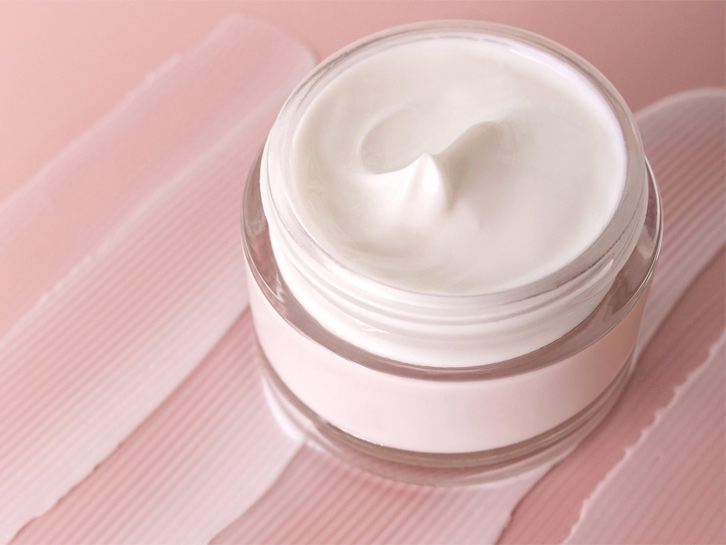
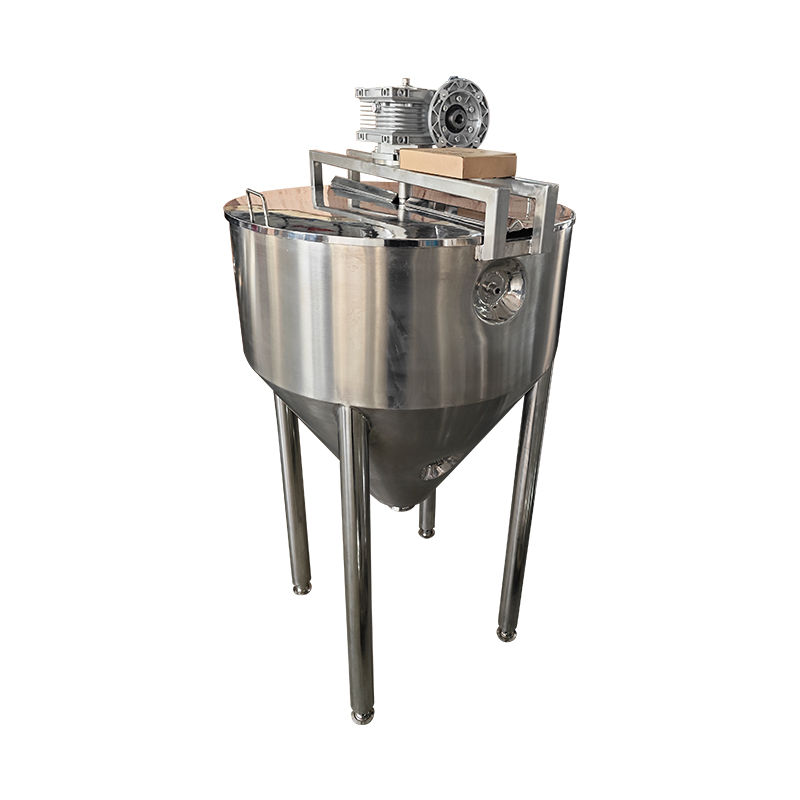
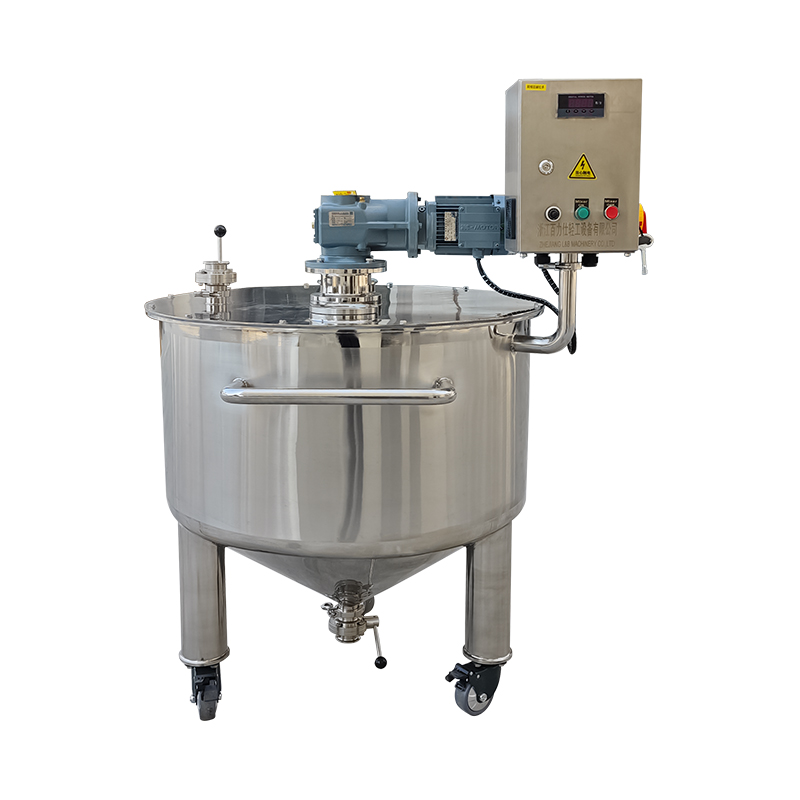
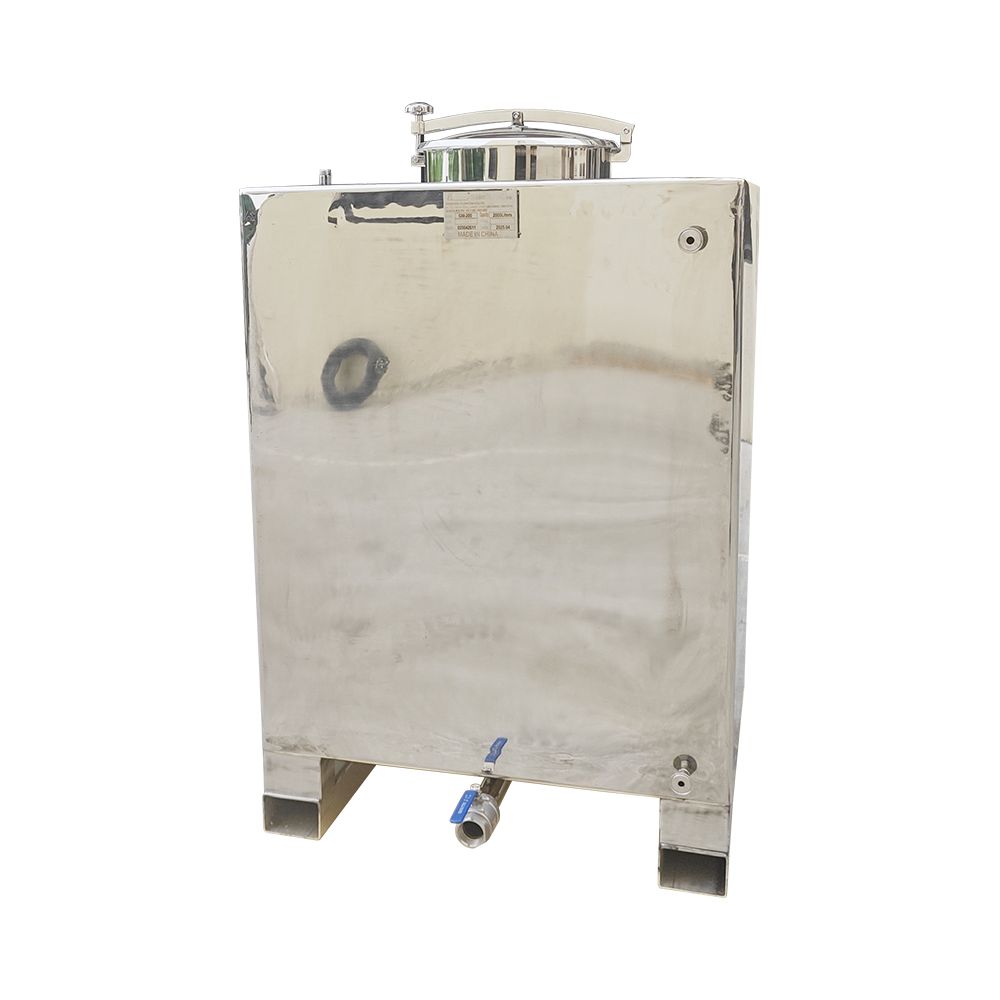
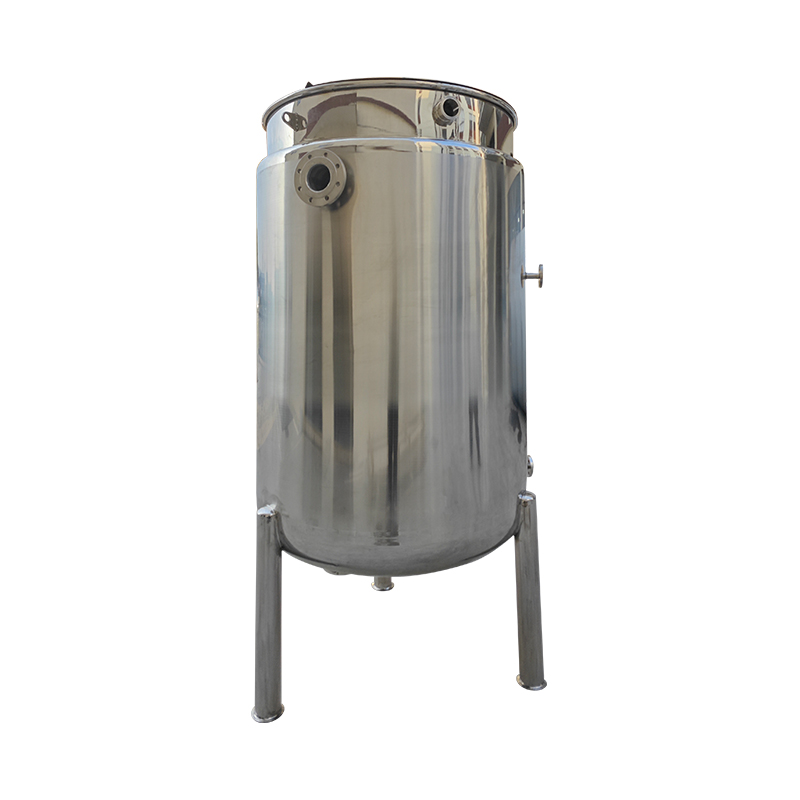
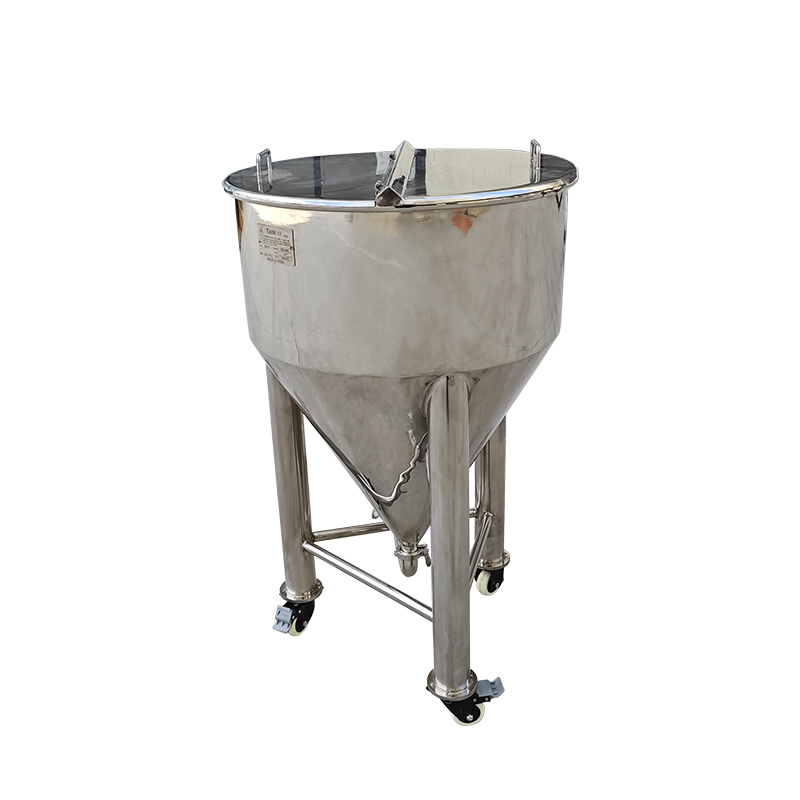
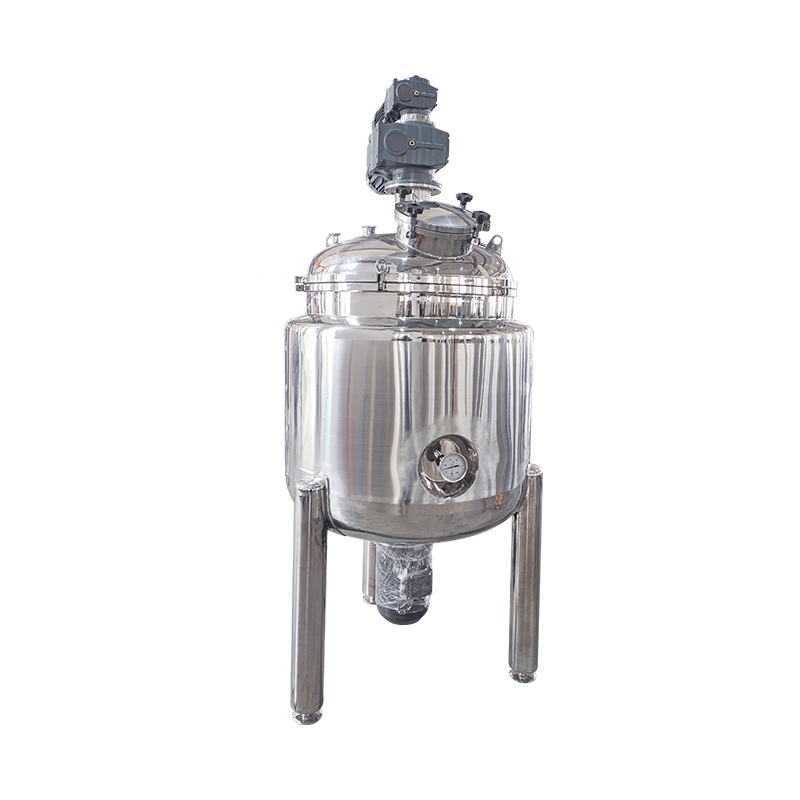
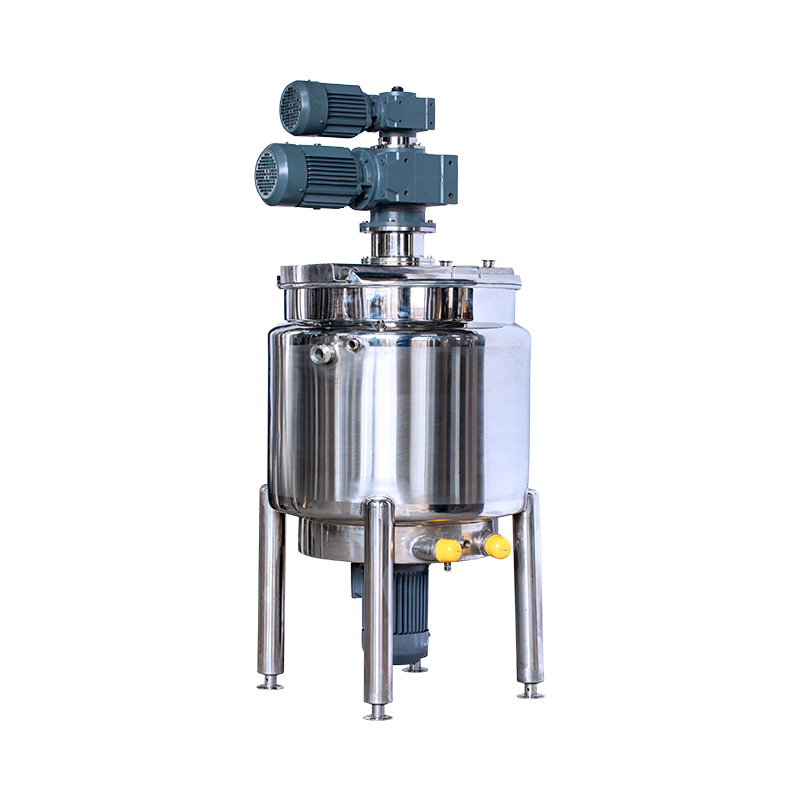
The tank system spans the entire process, from raw material handling to finished product storage.
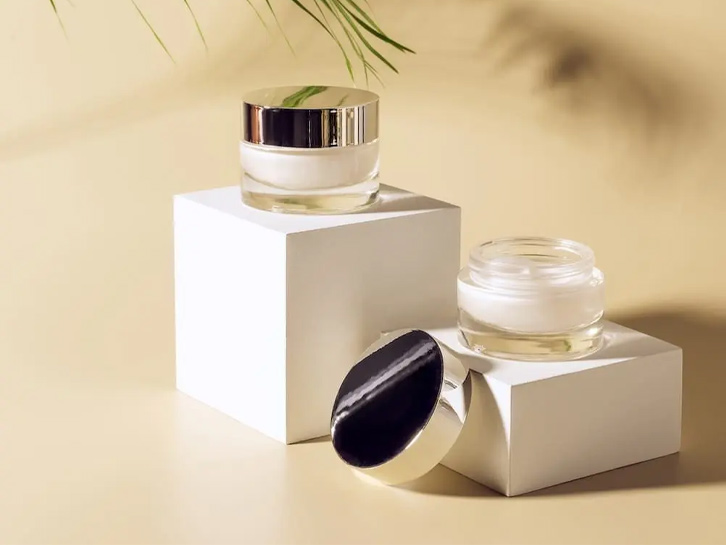
316L stainless steel is preferred for product-contact surfaces (offering superior corrosion resistance compared to 304, making it particularly suitable for formulations containing acidic ingredients or alcohol), while 304 stainless steel may be used for other components. Internal surfaces typically require a finish of Ra ≤ 0.4 μm (mirror finish), with some high-specification applications reaching Ra ≤ 0.28 μm; external surfaces feature a matte or brushed finish with Ra ≤ 0.8 μm. Although this grade falls short of the pharmaceutical industry's highest standards (where Ra ≤ 0.28 μm is sometimes required), it significantly exceeds the conventional requirements for standard food and beverage tanks.
In cosmetics manufacturing, temperature control directly impacts emulsification results and product stability. Tanks are typically equipped with jackets (circulating thermal oil, water, or steam) and integrated with PID temperature control systems to ensure uniform, precise heating and temperature maintenance, effectively preventing material buildup on the tank walls. Insulation layers—commonly made of materials such as aluminum silicate wool—are at least 50 mm thick and clad in stainless steel sheeting. Precise temperature control is particularly critical for formulations containing heat-sensitive active ingredients (such as Vitamin C, retinol, peptides, etc.).
The vacuum emulsification tank must be designed to withstand an operating range from -0.1 MPa to atmospheric pressure; the vacuum environment helps eliminate air bubbles, prevent oxidation, and facilitate material degassing during mixing. Certain processes (such as material transfer prior to filling) may require slight positive pressure, a requirement that must also be accommodated in the tank design.
View our recommended sanitary fluid equipment or contact us directly for expert advice.




We use cookies to collect information about how you use this site. We use this information to make the website work as well as possible and improve our services.more details