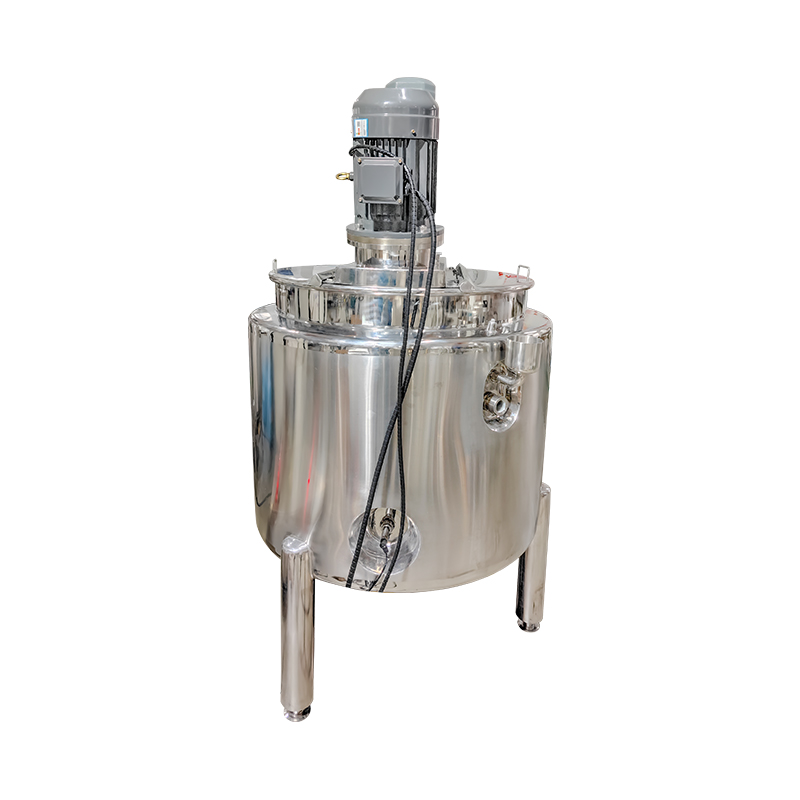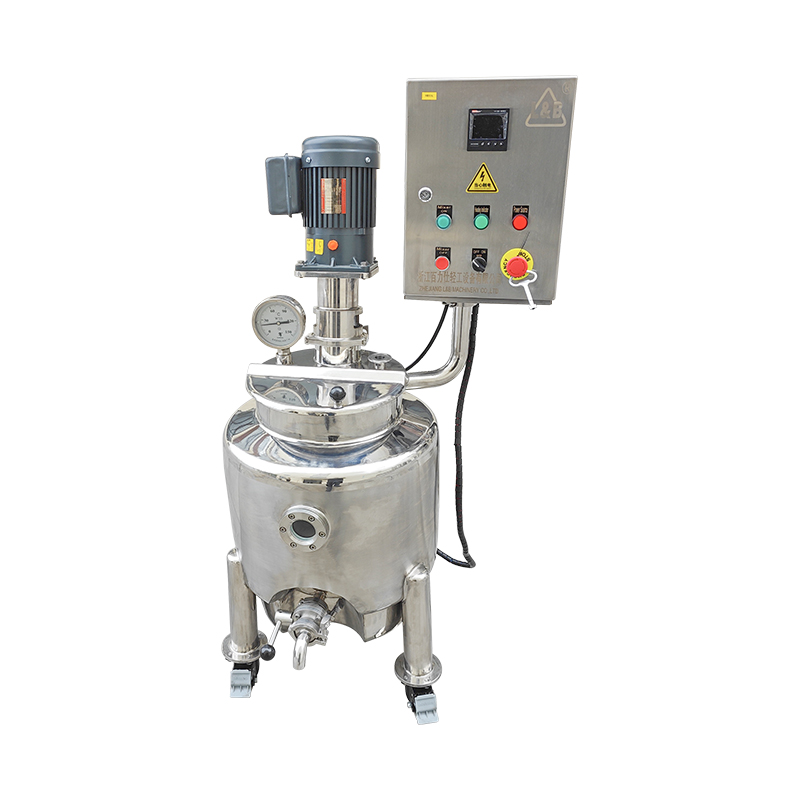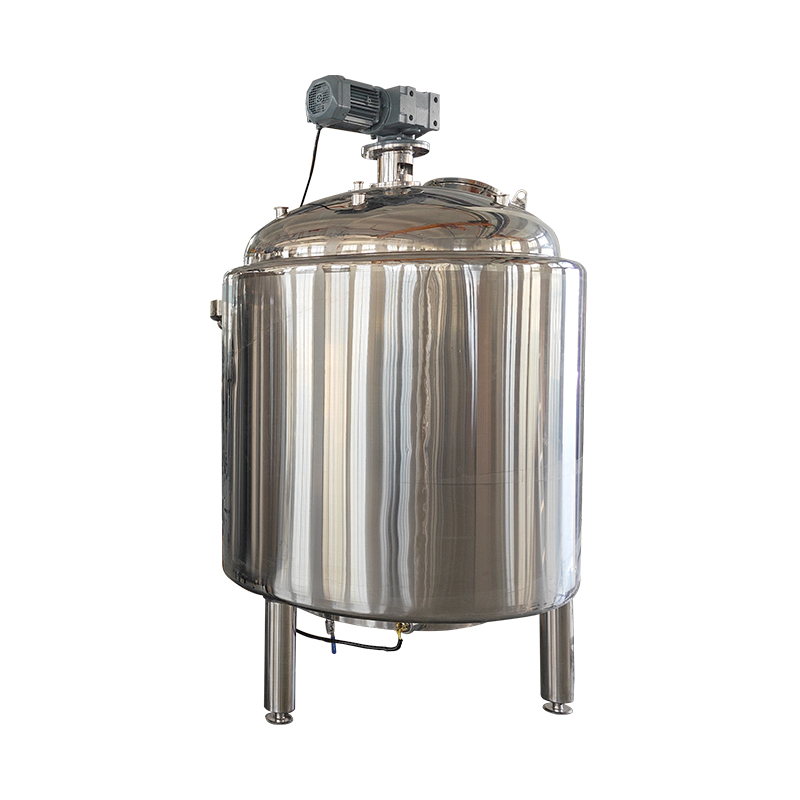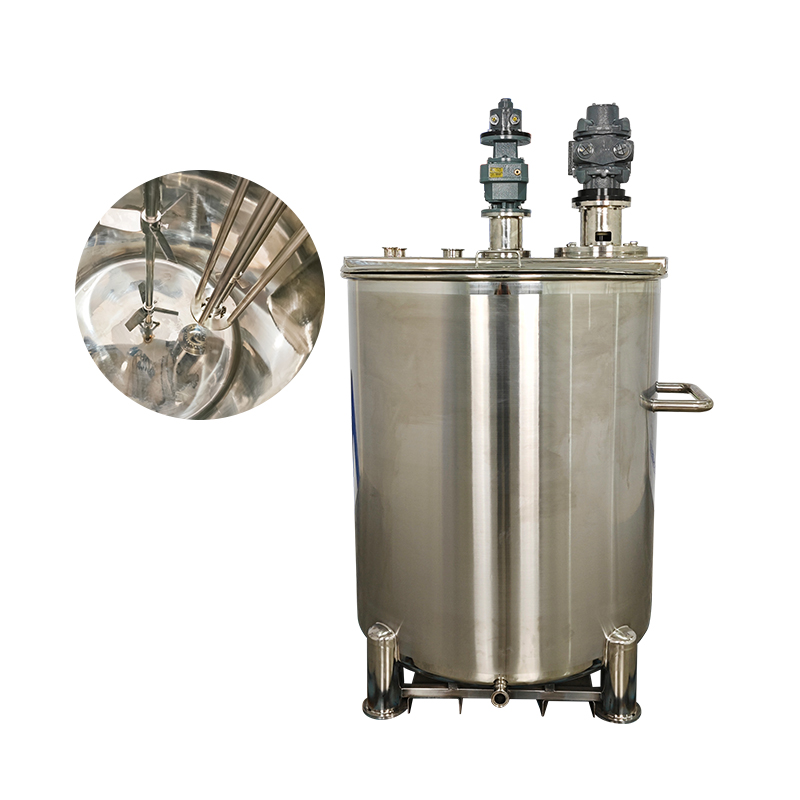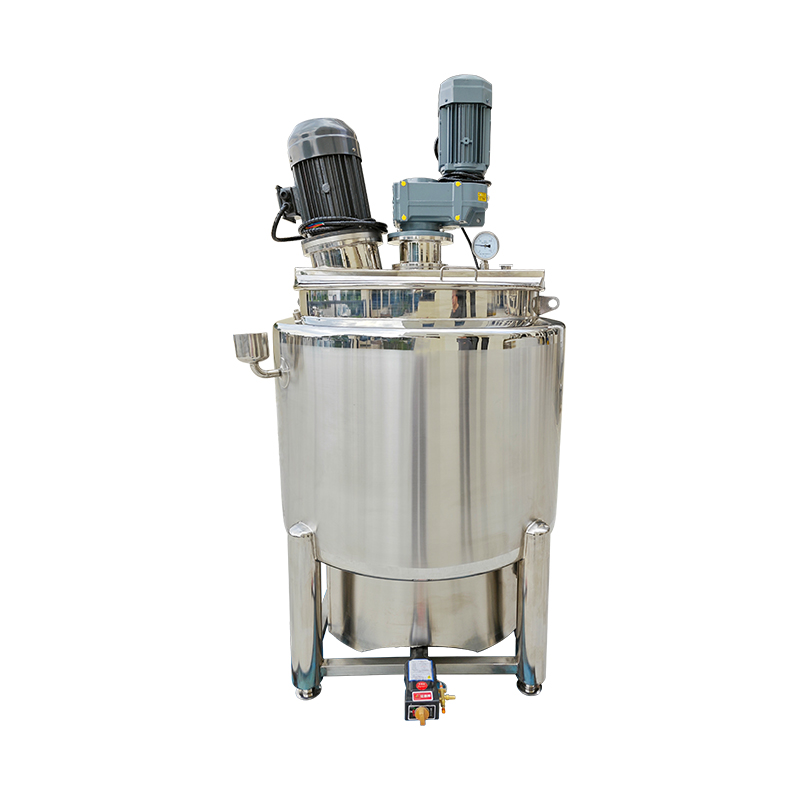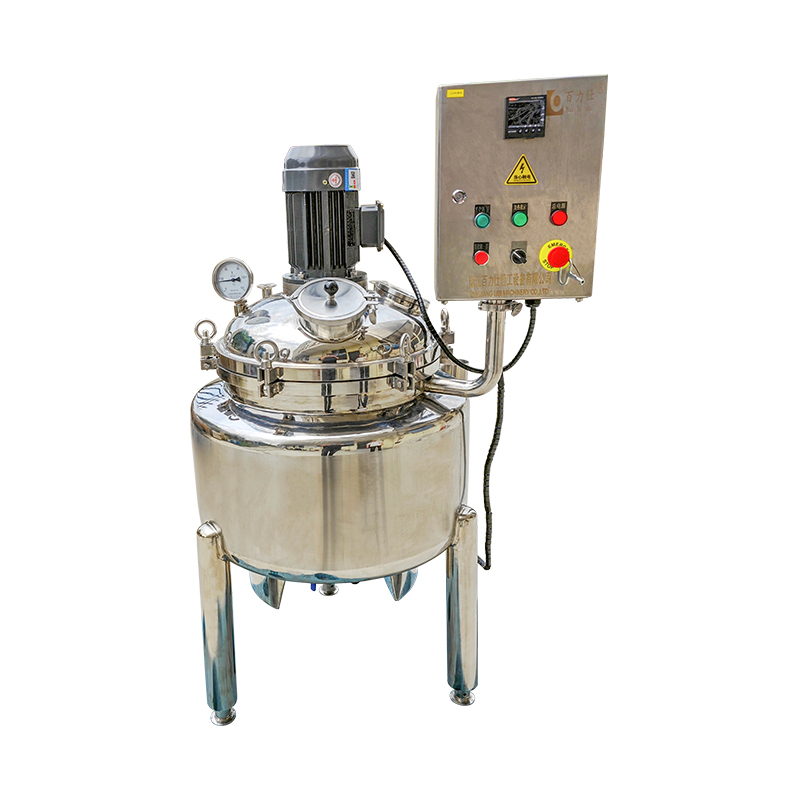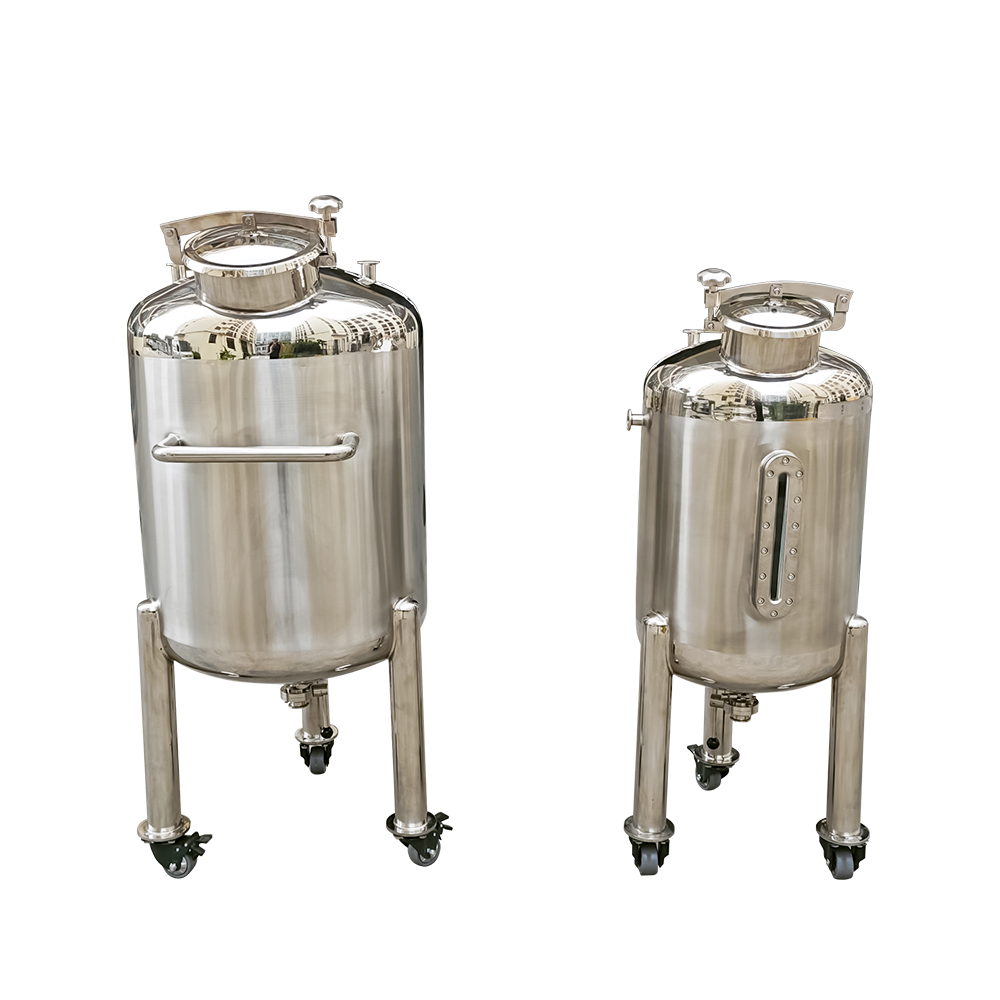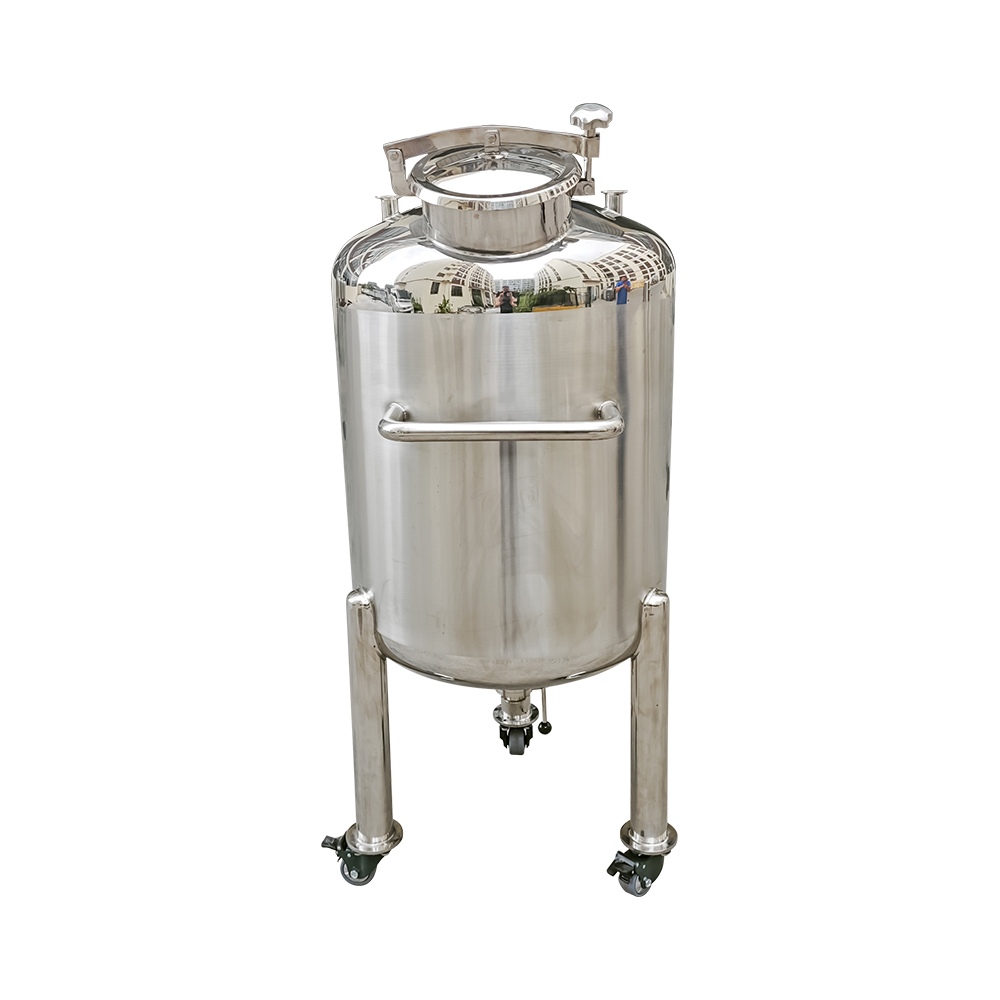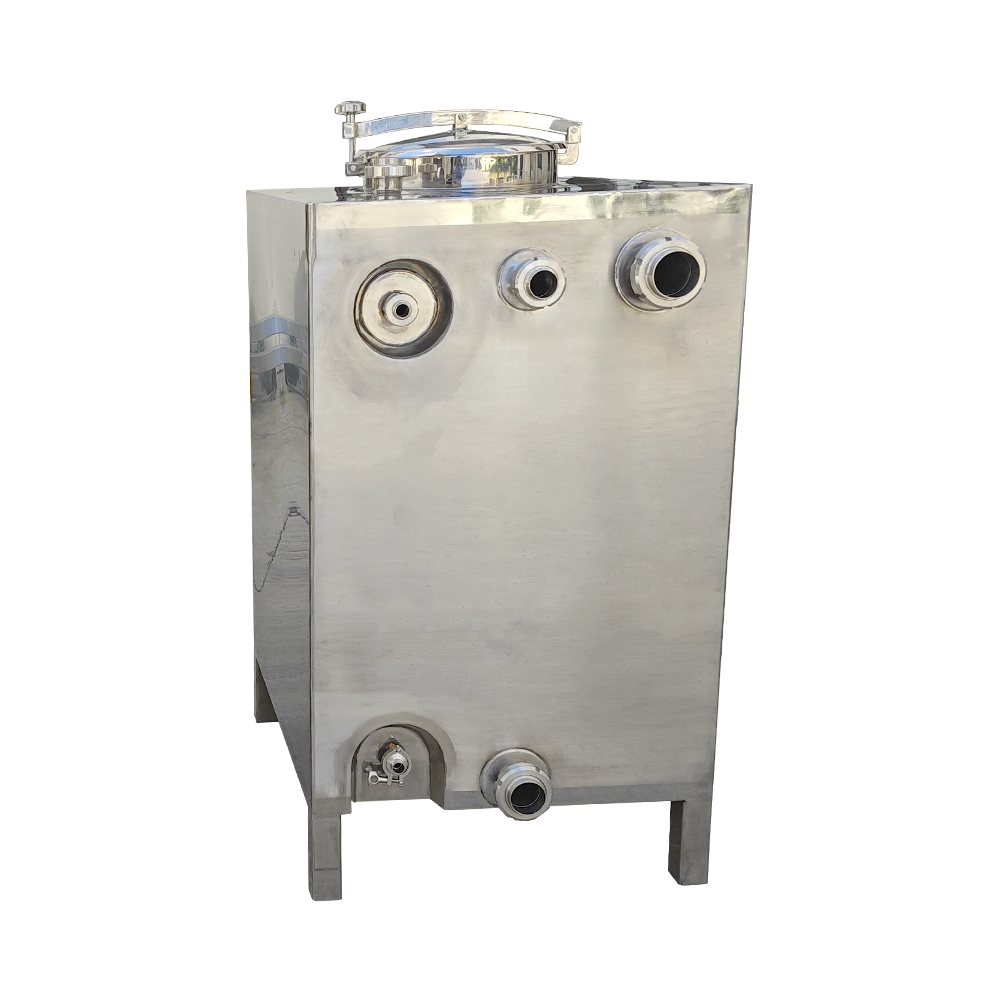
One of the key distinctions between the pharmaceutical and food & beverage industries lies in the rigorous requirements for validation and documentation traceability. Tank manufacturers are typically required to provide a comprehensive validation documentation package, including: Functional Design Specifications (FDS), AutoCAD drawings, material certificates (3.1b certificates), welding procedure specifications, welder qualification certificates, isometric weld logs, weld ID markings, FAT (Factory Acceptance Test), IQ (Installation Qualification) and OQ (Operational Qualification) protocols, as well as complete data records.
Regarding cleaning validation, spray ball coverage testing (riboflavin testing) is a prerequisite for verifying tank cleanability, and the internal surface finish must meet design specifications. Cleaning validation requires the successful completion of at least three consecutive cleaning cycles and must include testing for parameters such as cleaning agent residues, microbial load, and bacterial endotoxins.
Requirements for tanks in the pharmaceutical and biopharmaceutical industries have risen to the level of sterility assurance, verifiability, and regulatory compliance.
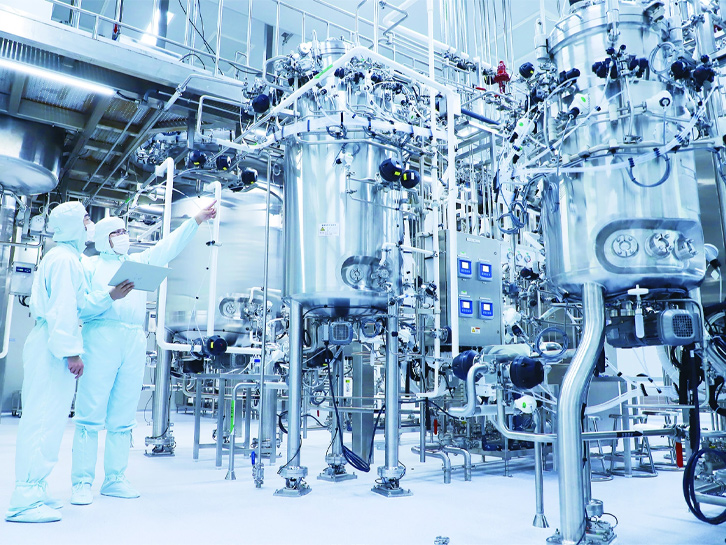
Parts in direct contact with the drug product must be made of 316L stainless steel, while other parts may use 304 stainless steel; material certification documents must be provided. Internal surface polishing requirements are extremely stringent: Ra ≤ 0.4 μm (mirror finish), with a matte finish of Ra ≤ 0.8 μm for external surfaces. Certain high-demand applications may even require Ra ≤ 0.28 μm. For high-end applications, electropolishing is also available, achieving a surface roughness of 0.1 μm Ra.
The tank must feature a design free of dead zones that allows for complete drainage; welded joints must be ground smooth and be free of cracks or crevices. The tank body and heads are to be formed with radiused corners (spun R-corners), and the discharge outlet must be equipped with an anti-vortex baffle; the unit must also include a spray ball and a breather valve. Pressure and vacuum ratings must meet process requirements; a typical liquid preparation tank is designed for a pressure range of -0.1 MPa to atmospheric pressure and a design temperature of ≥110°C.
All tanks must support CIP (Clean-in-Place) and SIP (Sterilize-in-Place) operations. They are equipped with components such as CIP spray balls, SIP sterilization ports, and sterile vent filters (with a filtration rating of 0.22 μm). The system-wide CIP/SIP process involves introducing cleaning fluid through the spray ball of the first tank and forcing it sequentially into the subsequent tanks, continuing up to the filling machine's buffer tank; pure steam is similarly introduced into the first tank and forced through the system to sterilize the tanks one by one.
View our recommended sanitary fluid equipment or contact us directly for expert advice.





We use cookies to collect information about how you use this site. We use this information to make the website work as well as possible and improve our services.more details